
3 Costly Mistakes to Avoid Before Entering Turkey’s Free Zones
3 Costly Mistakes to Avoid Before Entering Turkey’s Free Zones
A Strategic Guide for International Investors
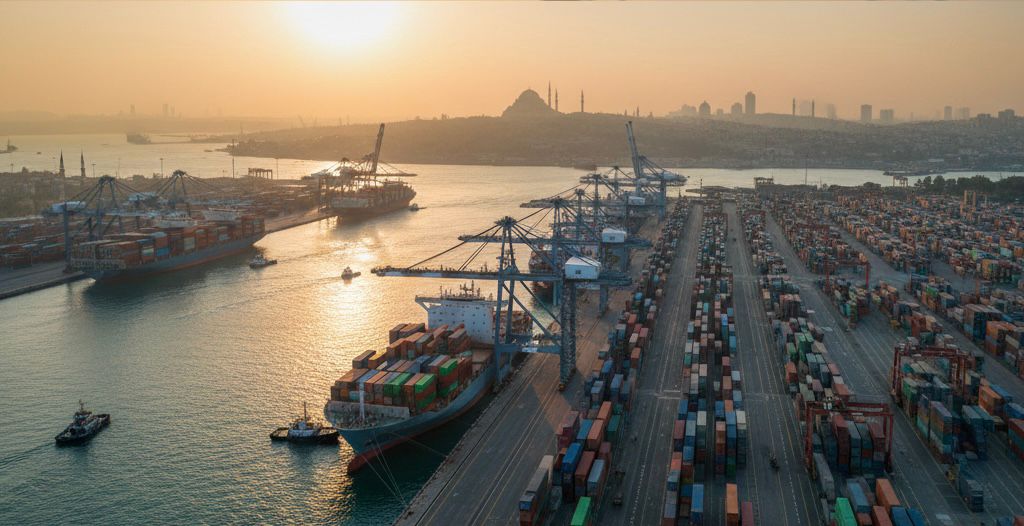
Turkey’s Free Zones have become a major gateway for companies seeking access to European and global markets. With tax incentives, customs exemptions, and full foreign ownership opportunities, they offer powerful advantages for export-oriented businesses.
However, many investors enter without proper legal and operational preparation — and later face unexpected costs, compliance risks, or loss of incentives.
If you are considering operating in Turkey’s Free Zones, these three strategic principles can protect your investment and maximize your profitability.
1️⃣ Choosing the Wrong Free Zone Can Increase Hidden Costs
Not all Free Zones in Turkey offer the same advantages.
Each zone differs in:
-
Sector specialization
-
Logistics infrastructure
-
Rental and operational costs
-
Proximity to export markets
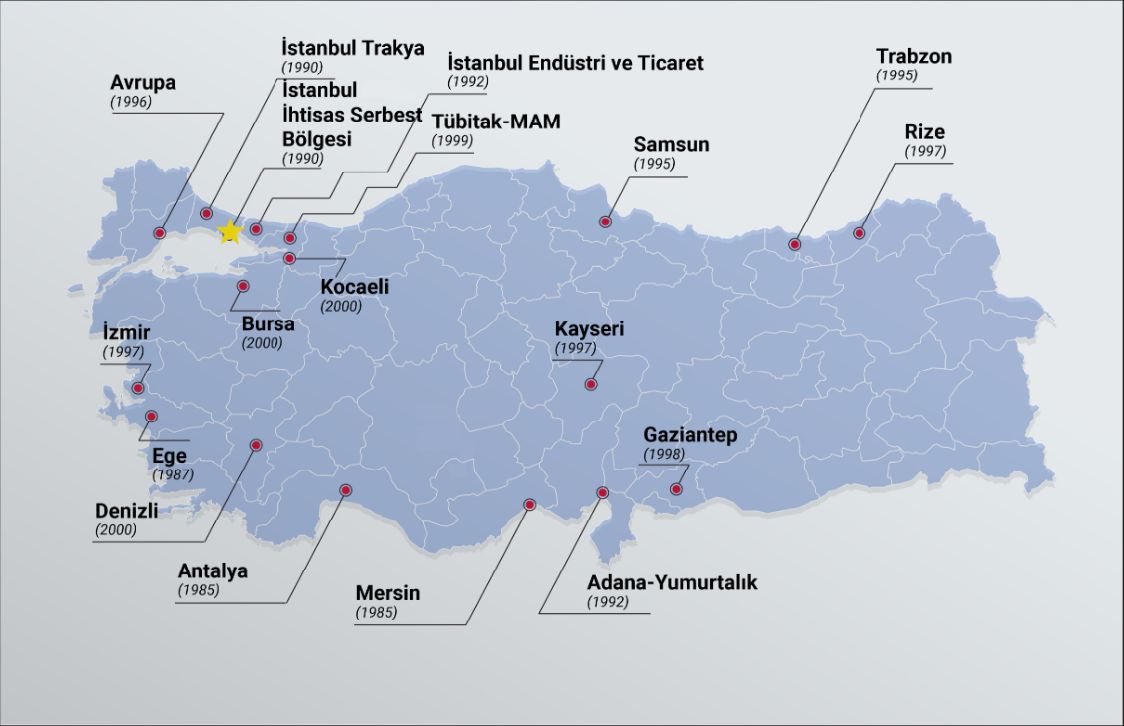
For example, zones located in the European part of Turkey provide logistical advantages for exports to the EU, while others may be better suited for industrial production or warehousing.
Selecting a Free Zone based on reputation rather than operational compatibility often leads to higher transportation costs and reduced margins.
Strategic Approach:
Choose the Free Zone based on your target market, export model, and cost structure — not on popularity.
2️⃣ Misunderstanding Tax Incentives
A common misconception is that all Free Zone activities are fully tax-exempt.
In reality:
-
Tax exemptions depend on the nature of the activity
-
Certain incentives apply only to export-oriented manufacturing
-
Domestic sales may trigger taxation
-
Operating licenses must strictly match business activities
Misinterpreting Free Zone regulations may result in penalties, compliance complications, or loss of benefits.
Professional Insight:
Align your tax structure and revenue model with Turkish Free Zone regulations before incorporation.
3️⃣ Entering Without a Proper Legal and Operational Structure
Company registration is only the beginning.
Successful Free Zone operations require:
-
A clearly defined business model
-
Properly structured commercial contracts
-
Accounting systems compliant with Turkish regulations
-
The correct type of operating license
Many investors encounter challenges during license renewal or financial audits due to insufficient structural planning.
Key Principle:
Free Zones reward structured strategy — not impulsive entry.
Conclusion
Turkey’s Free Zones can serve as a powerful export platform to Europe — but only when approached with analysis, compliance, and strategic planning.
✔ Select the right Free Zone
✔ Understand tax incentives accurately
✔ Build a compliant operational structure
A well-planned entry determines whether Free Zones become an opportunity — or a costly lesson.
Are all activities in Turkey’s Free Zones tax-exempt?
No. Tax incentives depend on the type of activity and export orientation.
Which Free Zone is best for exporting to Europe?
Free Zones located in European Turkey offer logistical advantages for EU exports, but the final decision should align with your business model.
Can foreign investors fully own a company in a Free Zone?
Yes. Foreign investors can establish and fully own their company without requiring a Turkish partner.
Is company registration sufficient to start operations?
No. Investors must obtain an operating license and comply with Free Zone regulations.
-
-
-
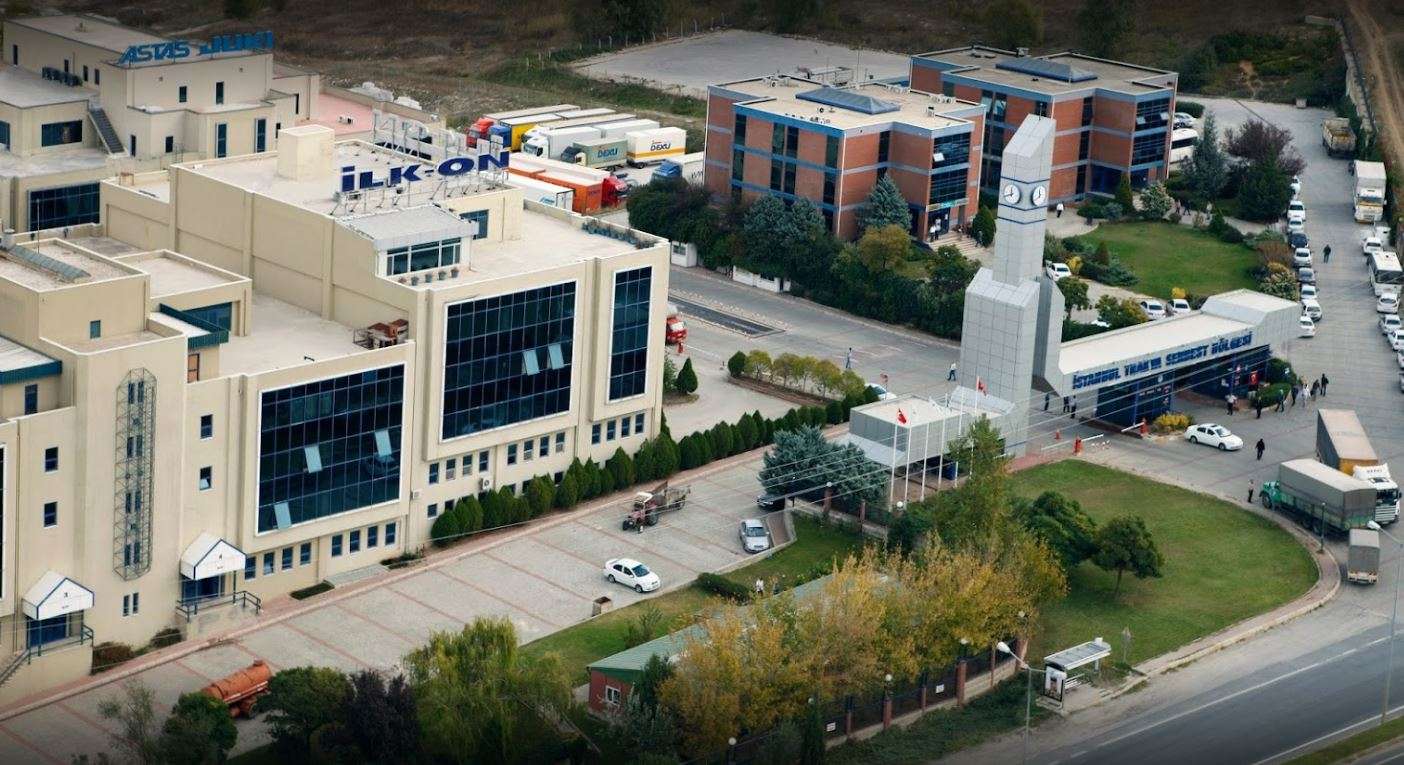 Istanbul Trakya Free Zone (ISBAS) Feb 25, 2026
 -
 İstanbul Turizm Fuarı 2025’in İkinci Günü Oct 27, 2025
 -
-
-
-
-
-
 Reviving the Silk Road with a New Perspective May 4, 2025